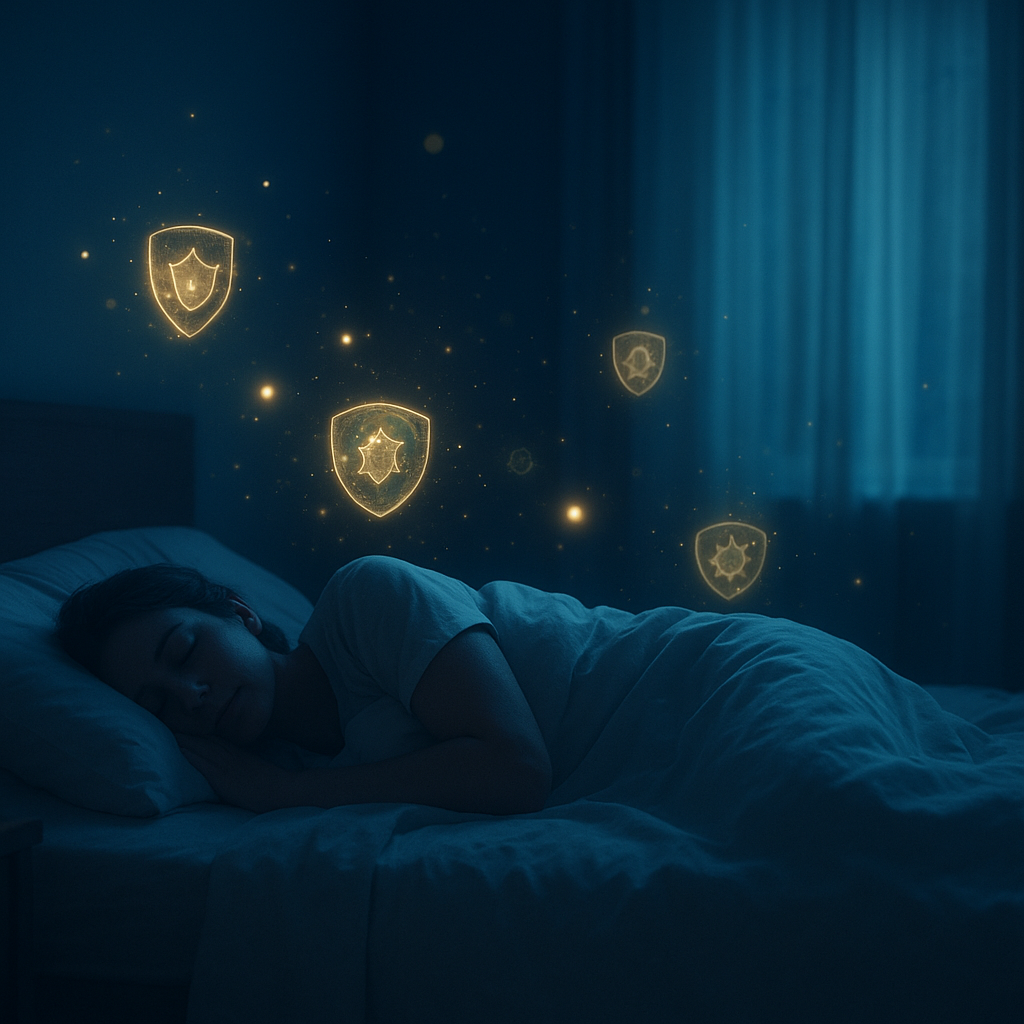
Sleep Quality and Immune Function: What the Science Reveals
There’s a reason your body craves sleep when you’re sick — and it’s not just because you feel miserable. The relationship between sleep and your immune system runs surprisingly deep, shaped by millions of years of evolutionary biology. Yet most people treat sleep as a negotiable resource, something to cut back on when life gets busy, not realizing they’re quietly undermining one of their body’s most powerful defense systems.
The science here is both fascinating and, frankly, a little sobering. Researchers have spent decades untangling how sleep affects immunity, and the findings consistently point in the same direction: sleep isn’t just rest. It’s an active, biologically complex process that your immune system depends on to do its job properly.
The Biological Connection Between Sleep and Immunity
At its core, the relationship between sleep and immunity is bidirectional — meaning each one influences the other. When you sleep, your body doesn’t just power down. It gets to work. Your immune system uses this window to perform critical maintenance tasks that simply can’t happen as efficiently when you’re awake and active.
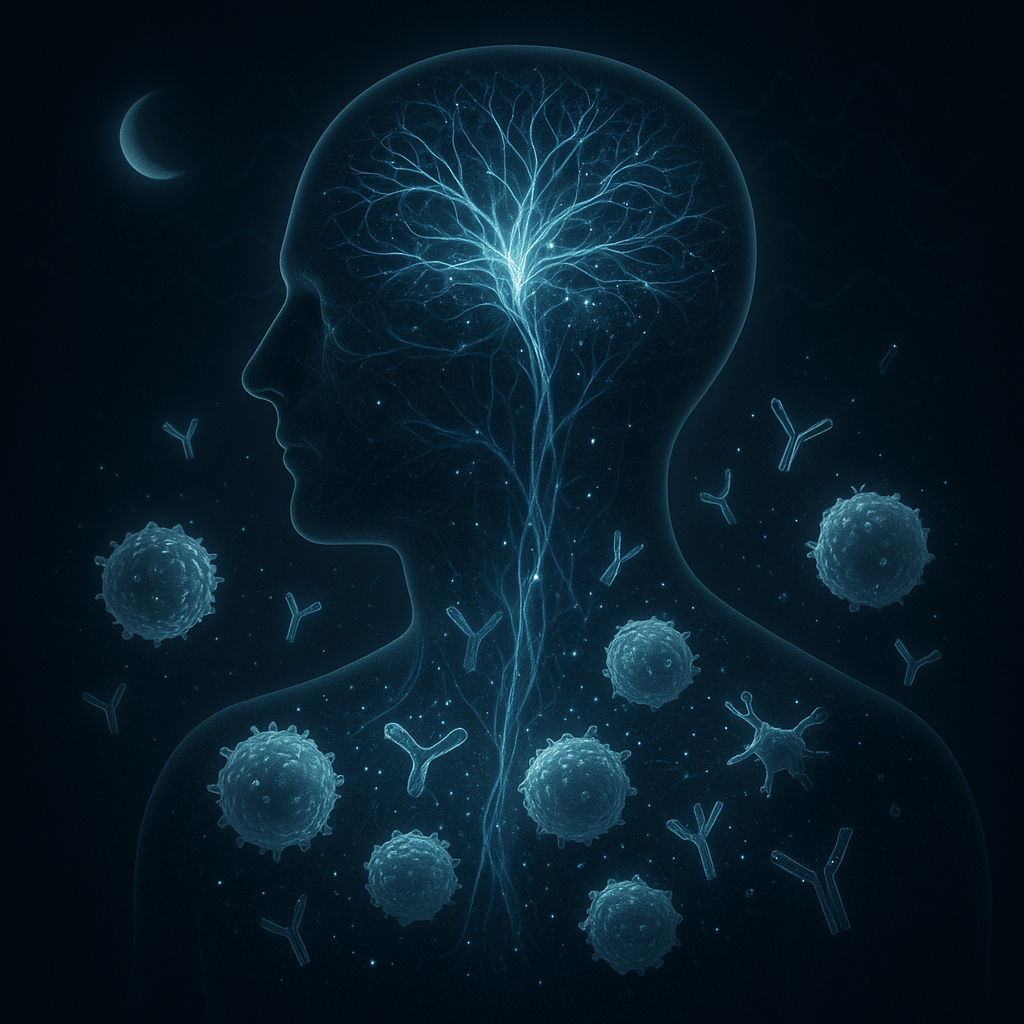
During sleep, particularly during slow-wave (deep) sleep, your body increases the production of cytokines — small proteins that play a central role in regulating immune responses. Some cytokines promote inflammation to fight infection, while others help reduce it. Either way, adequate sleep ensures your body can produce them in the right quantities at the right times.
Your body also ramps up the activity of T cells during sleep. These are a type of white blood cell critical for identifying and destroying infected or abnormal cells. Research published in the Journal of Experimental Medicine found that sleep actually improves T cell function by reducing levels of certain proteins (called Gs alpha) that interfere with their ability to bind to infected cells. In simpler terms: sleep makes your immune cells stickier and more effective at catching threats.
Is the Immune System More Active at Night?
Yes — and there’s solid science behind this. The immune system operates on a circadian rhythm, the same internal 24-hour clock that governs your sleep-wake cycle. Many immune processes peak during the nighttime hours, including the release of certain hormones like melatonin, which has its own immunomodulatory effects beyond just making you feel sleepy.
Melatonin appears to enhance the activity of natural killer (NK) cells and T cells, acting as a kind of nighttime boost for your immune defenses. Cortisol, meanwhile, tends to be lowest at night, which allows inflammatory immune responses to operate more freely — exactly when your body needs to consolidate immune memory from the day’s exposures.
This circadian synchronization is one reason sleep timing matters, not just sleep duration. Consistently sleeping at irregular times — as shift workers often do — disrupts this immune rhythm, which may partly explain why shift workers show higher rates of certain infections and inflammatory conditions.
What Happens to Your Immune System When You Don’t Sleep Enough?
This is where things get particularly eye-opening. Sleep deprivation doesn’t just leave you feeling groggy — it measurably impairs immune function in ways that have been documented in controlled research settings.
One widely cited study from the University of California, San Francisco, found that people who slept fewer than six hours per night were four times more likely to catch a cold when exposed to the rhinovirus compared to those who slept seven hours or more. That’s not a marginal difference — it’s dramatic.
Other research has shown that even a single night of poor sleep can alter the behavior of immune cells. A 2019 study highlighted by the American Association of Immunologists found that just one night of sleep deprivation was enough to trigger measurable changes in the immune system, including shifts in the distribution and function of immune cells in the blood.
Signs That Someone Is Sleep-Deprived
Beyond the obvious fatigue, sleep deprivation shows up in ways that aren’t always immediately connected to lack of sleep. Common signs include:
- Increased susceptibility to illness — catching colds or infections more frequently than usual
- Slower wound healing — cuts and scrapes that seem to linger longer than they should
- Persistent low-grade inflammation — sometimes experienced as general aches, puffiness, or feeling “off”
- Difficulty concentrating and mood instability — cognitive and emotional changes often precede physical symptoms
- Increased hunger and cravings — sleep deprivation disrupts hunger hormones, which also interact with immune regulation
- Waking up feeling unrefreshed — even after spending enough time in bed
It’s worth noting that chronic sleep deprivation can become normalized — people often adapt to feeling tired and stop recognizing it as a problem, even as the underlying immune consequences accumulate over time.
Does Your Immune System Get Stronger When You Sleep?
This is one of the most commonly asked questions about sleep and immunity, and the honest answer is: yes, in a meaningful sense. Sleep doesn’t just maintain baseline immune function — it actively enhances certain aspects of it.
One of the clearest examples involves immunological memory. After your body encounters a pathogen — or a vaccine — it needs to build a “memory” of that threat so future responses are faster and stronger. This memory consolidation process relies heavily on sleep. Studies have shown that people who sleep well after receiving a vaccine mount significantly stronger antibody responses than those who are sleep-deprived in the days following vaccination.
A study published in the Journal of Immunology found that participants who slept fewer than six hours the night before a hepatitis B vaccination were 11.5 times more likely to be unprotected by the vaccine compared to those who got adequate sleep. That’s a striking finding with real-world implications, especially during periods of high infectious disease risk.
So in practical terms: sleeping well amplifies the benefits of vaccines, improves immune memory, and keeps your front-line defenses sharp.
Sleep Deprivation and Long-Term Immune Health Risks
Short-term sleep loss increases your odds of catching a cold. But chronic sleep deprivation appears to raise the risk of far more serious immune-related conditions over time.
Research has linked long-term insufficient sleep to elevated levels of systemic inflammation — characterized by higher levels of inflammatory markers like C-reactive protein (CRP) and interleukin-6 (IL-6). Chronic low-grade inflammation is a known contributor to the development of conditions including cardiovascular disease, type 2 diabetes, and certain autoimmune disorders.
There is also emerging evidence suggesting that sleep deprivation may suppress the surveillance function of natural killer (NK) cells — immune cells that patrol the body looking for cancerous or virus-infected cells. One study found that just one week of mild sleep restriction (six hours per night) reduced NK cell activity by up to 72%. While the long-term cancer risk implications of this are still being studied, it underscores how broadly and deeply sleep affects immune function.
How Does Lack of Sleep Affect Your Immune System Over Time?
The cumulative effects of chronic poor sleep on immunity include:
- Persistently elevated inflammatory markers, increasing disease risk
- Reduced vaccine effectiveness
- Impaired production of protective antibodies
- Decreased natural killer cell activity
- Greater vulnerability to viral and bacterial infections
- Potential dysregulation of the immune system, which may contribute to autoimmune flares in predisposed individuals
Best Practices for Sleep That Supports Immune Function
Understanding the science is useful, but the practical question is: what can actually be done to improve sleep quality in ways that benefit immunity?
Prioritize Sleep Duration and Consistency
Most adults need between seven and nine hours of sleep per night for optimal immune function. But consistency matters just as much as quantity. Going to bed and waking up at roughly the same time every day — including weekends — helps stabilize your circadian rhythm and keeps immune processes running on schedule.
Best Time to Sleep for the Immune System
While individual chronotypes vary (some people are naturally earlier or later sleepers), the general consensus is that sleeping during the nighttime hours aligns best with the body’s immune circadian rhythms. Sleep that occurs primarily between roughly 10 PM and 6 AM tends to capture the most biologically valuable deep sleep and the highest melatonin production. That said, the most important factor is sleeping at a consistent time that works with your body’s natural rhythm.
Support Sleep Quality, Not Just Duration
Time in bed doesn’t automatically mean high-quality sleep. To maximize immune benefits, it helps to improve your sleep quality naturally through a combination of environment and habit changes:
- Keep the bedroom cool, dark, and quiet — conditions that favor deep sleep stages
- Limit screen exposure in the hour before bed, as blue light suppresses melatonin
- Avoid alcohol close to bedtime — while it may help you fall asleep faster, it significantly disrupts sleep architecture and reduces restorative sleep stages
- Manage stress through practices like mindfulness or light evening exercise, since elevated cortisol interferes with immune-supporting sleep processes
- Avoid large meals or caffeine in the hours before sleep
Sleep More When You’re Sick — It’s Not Laziness
When you’re fighting an infection, your body sends out cytokines that literally induce sleepiness. This isn’t a coincidence — it’s a biological strategy. Sleeping more during illness allows your immune system to redirect energy toward fighting the infection rather than keeping you awake and mobile. Research supports the idea that adequate sleep during illness speeds recovery, so the urge to rest when sick deserves to be taken seriously, not overridden. It’s also worth noting that chronic stress can further weaken your physical defenses, compounding the immune toll of poor sleep.
Conclusion: Sleep Is Immune System Maintenance
The evidence is clear and consistent: sleep is not a passive state of unconsciousness. It is an active, essential period of biological maintenance during which your immune system does some of its most important work. From producing cytokines and consolidating immune memory to enhancing T cell function and regulating inflammation, the immune system is deeply dependent on adequate, quality sleep.
Chronic sleep deprivation — even the moderate kind that many people accept as normal — measurably weakens immune defenses, increases susceptibility to infection, reduces vaccine effectiveness, and contributes to long-term inflammatory disease risk. Conversely, consistently good sleep is one of the most powerful, accessible tools available for supporting long-term immune health.
The key takeaways are straightforward: aim for seven to nine hours of sleep per night, keep your sleep schedule consistent, prioritize sleep quality through good sleep hygiene habits, and treat sleep as the biological necessity it is — not a luxury to be sacrificed when life gets busy. Your immune system is counting on it.
Leave a Reply Cancel reply
Recent Blog
Latest
- Sleep Quality and Immune Function: What the Science Reveals
- How Chronic Stress Quietly Destroys Your Physical Wellbeing
- The Real Health Benefits of Intermittent Fasting You Should Know
- The Importance of Rest Days in Workout Programs: Maximizing Performance and Recovery
- Best Recovery Techniques for Athletes: Enhancing Performance and Reducing Injury Risk
Categories
Theme by The WP Club . Proudly powered by WordPress