How to Stay Game-Ready During the Off-Season: Tips for Maintaining Peak Performance
The off-season is a critical period for athletes looking to maintain their competitive edge. Consistent off-season training, including strength conditioning, skill drills, and proper nutrition, is essential for staying game-ready. Without a structured plan, athletes risk losing their performance levels, making it vital to approach this time with intention and focus.
Incorporating a variety of training methods can help athletes stay sharp. This includes not only physical workouts but also mental exercises that enhance game strategy and decision-making skills. By setting specific goals and regularly assessing progress, athletes can keep their motivation high throughout the off-season.
Moreover, rest and recovery play a crucial role in an athlete’s training regimen. Balancing intensity with adequate downtime allows the body to heal and adapt, ensuring that athletes return to their sport stronger and more focused. Staying game-ready during the off-season requires commitment, but the rewards are significant when the season resumes.
Physical Preparation: Building and Maintaining Athletic Performance
Athletic performance during the off-season hinges on effective physical preparation. By focusing on strength, endurance, speed, agility, and flexibility, an athlete can maintain their competitive edge while minimizing injury risks.
Strength and Conditioning Routines
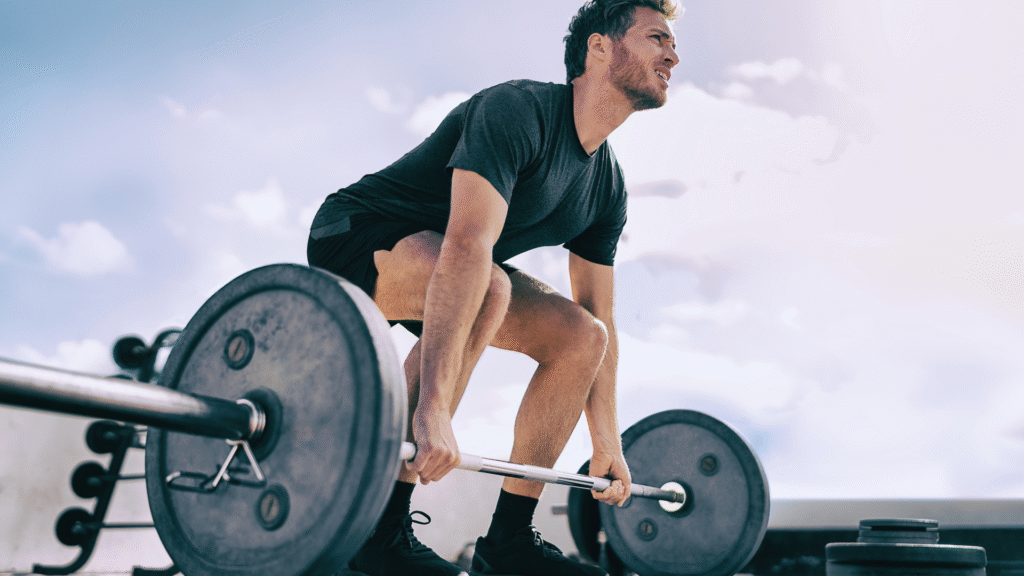
Strength training is essential for maintaining muscle mass and power during the off-season. Incorporating compound movements like squats, deadlifts, and bench presses into workouts builds overall strength.
Progressive overload is key; athletes should aim to gradually increase weights and repetitions.
Routine sessions should also include various resistance exercises to target specific muscle groups.
A typical workout could be structured as follows:
|
Exercise |
Sets | Reps |
|
Squats |
4 | 8-10 |
|
Deadlifts |
3 |
6-8 |
| Bench Press | 4 |
8-10 |
| Accessory Work | 3 |
10-12 |
Consistency in strength training helps athletes retain their muscle’s explosiveness and reduce the risk of injuries.
Speed, Agility, and Endurance Training
Speed and agility drills are critical for enhancing athletic performance. Drills like wind sprints and shuttle runs improve quickness and lateral movement. Integrating agility ladders can refine footwork and coordination.
Endurance training enhances cardiovascular fitness. Athletes should consider incorporating long-distance runs and interval training into their routines. For instance, combining short sprints with rest periods can build stamina effectively.
Sample Speed and Endurance Routine:
- 5-minute warm-up jog
- 6 x 30-second sprints with 2 minutes of rest
- 15-minute steady-state run
- 10-minute cooldown jog
This mix trains both speed and endurance for comprehensive performance enhancement.
Flexibility and Injury Prevention Strategies
Flexibility is crucial for optimal performance and injury prevention. Regular stretching routines or yoga sessions enhance flexibility and promote better muscle recovery. Specifically, dynamic stretching before workouts helps prepare the body for physical exertion.
Incorporating foam rolling and mobility exercises can alleviate muscle tightness and enhance recovery. Athletes should pay particular attention to areas like the hamstrings, quadriceps, and hips.
A thorough pre- and post-workout routine can help maintain flexibility and minimize the risk of injury. Consistent application of these strategies is vital for maintaining peak athletic performance.
Sharpening Technical Skills and On-Field Awareness
Improving technical skills and enhancing on-field awareness are critical for athletes during the off-season. Focused practice aids in maintaining performance levels and contributes to overall skill enhancement.
Skill Development and Specific Position Drills
To refine individual skills, athletes should engage in targeted position drills. These activities allow players to concentrate on their specific roles within the game.
For football players, drills can include:
- Footwork exercises for agility.
- Route running to perfect timing and precision.
- Defensive maneuvers to enhance reaction time.
Working with a training partner can provide immediate feedback while using video analysis tools allows players to review their technique. Repeating these drills consistently helps solidify muscle memory, which is essential when returning to competitions.
Shooting, Passing, and Strategic Play
Athletes must also pay attention to key techniques like shooting, passing, and understanding strategic play. Practicing shooting consistently builds accuracy, while passing drills improve ball control and teamwork.
During football training sessions, players should focus on:
- Targeted shooting drills to improve accuracy.
- Precision passing exercises, enhance teamwork and communication.
- Simulated game scenarios to cultivate decision-making skills under pressure.
Strategic play can be practiced through scrimmages, where players can test their skills in real time while developing chemistry with teammates.
Participating in Clinics and Team Workouts
Attending specialized clinics can provide invaluable insights from experienced coaches. These events often focus on specific skills that are crucial for player development.
Team workouts also promote chemistry, as they reinforce the importance of collaboration. These sessions can include:
- Fitness groups to maintain physical conditioning.
- Skill-specific drills that address team goals.
Being part of a fitness squad keeps athletes motivated while fostering a competitive spirit. Regular interaction with coaches and peers helps maintain focus and builds a deeper understanding of game strategies.
Optimizing Mindset, Recovery, and Lifestyle
Focusing on mental resilience, proper nutrition, and balancing life commitments is essential during the off-season. Each of these elements plays a critical role in maintaining game readiness and enhancing overall performance.
Mental Resilience and Goal Setting
Building mental resilience is vital for athletes during the off-season. They can cultivate a strong mindset by setting specific, measurable goals. SMART (Specific, Measurable, Achievable, Relevant, Time-bound) goals help track progress and provide direction.
Using technology, athletes can utilize fitness apps for goal tracking, enabling them to measure their achievements over time. Engaging with a fitness community fosters accountability, providing encouragement and support.
Daily affirmations and visualization techniques can boost confidence, reinforcing a positive self-image. This mental preparation can make all the difference when returning to competitive play.
Nutrition and Recovery Protocols
Nutrition is foundational for recovery and performance. Athletes should prioritize a balanced diet rich in lean proteins, complex carbohydrates, and healthy fats. Meal prepping can streamline nutrition, ensuring access to healthy options.
Hydration is equally critical; staying properly hydrated aids recovery and enhances performance. Including electrolyte-rich drinks post-workout can replenish lost nutrients.
Recovery protocols such as foam rolling, stretching, and adequate sleep strengthen the body. Incorporating guided workouts that focus on mobility and flexibility can improve recovery times. These practices help athletes maintain their physical readiness.
Balancing Workouts and Life Commitments
Finding a balance between workout routines and life commitments is essential for long-term success. Athletes should establish a structured schedule, assigning specific times for training, work, and personal activities.
Creating a workout streak can motivate consistency and enhance accountability. Setting aside only 30 minutes a day for focused training sessions can fit seamlessly into a busy lifestyle.
Leveraging community support encourages staying on track with fitness goals. Group workouts or training partners can make sessions more enjoyable and less isolating. This balance allows athletes to build their minds, bodies, and lives effectively, preparing them for their return to competition.
Leveraging Tools, Technology, and Community Support
To maintain game readiness during the off-season, using the right tools, technology, and community connections can make a significant difference. Focusing on personalized coaching, digital wearables, and group motivation strategies enables athletes to stay engaged and accountable.
Harnessing Coaching and Personalized Programming
Accessing personalized coaching can provide tailored strategies that align with an athlete’s specific goals. Master coaches offer insights that refine training techniques and maintain skill levels. Through platforms like BBcom, users can find specialized programs that include over 1,000 workouts to select from.
Additionally, many training platforms offer exclusive access to signature products and discounts. For instance, a 10% discount on athletic gear can motivate athletes to invest in essentials. Consistent engagement with coaching ensures progression and adaptability in their training approach.
Utilizing Digital Platforms and Wearables
Digital tools, such as the Apple Watch, enhance training efficiency and allow tracking of health metrics. With Health Kit access, athletes can monitor vital statistics like heart rate, sleep patterns, and recovery. This data helps to inform and adjust training plans based on performance.
Wearables can also sync with apps on smartphones, creating a comprehensive view of an athlete’s progress. Regularly checking these stats can encourage persistence and highlight areas needing improvement. For instance, they can set daily movement goals or monitor caloric expenditure to aid in achieving off-season targets.
Staying Motivated with Groups and Badges
Community support plays a crucial role in maintaining motivation. Joining group workouts or online fitness challenges fosters accountability and camaraderie among athletes. Engaging in these social environments can lead to greater dedication to training routines.
Earning badges, including specialty badges, for milestones not only acknowledges progress but also incentivizes continued effort. For example, platforms may offer achievements like “Swolemate” for consistent participation. This gamifying aspect of fitness can lead to a more enjoyable and rewarding off-season experience.
Leave a Reply Cancel reply
Recent Blog
Latest
- How Chronic Stress Quietly Destroys Your Physical Wellbeing
- The Real Health Benefits of Intermittent Fasting You Should Know
- The Importance of Rest Days in Workout Programs: Maximizing Performance and Recovery
- Best Recovery Techniques for Athletes: Enhancing Performance and Reducing Injury Risk
- Common Sports Injuries and How to Prevent Them: Essential Tips for Athletes
Categories

Theme by The WP Club . Proudly powered by WordPress