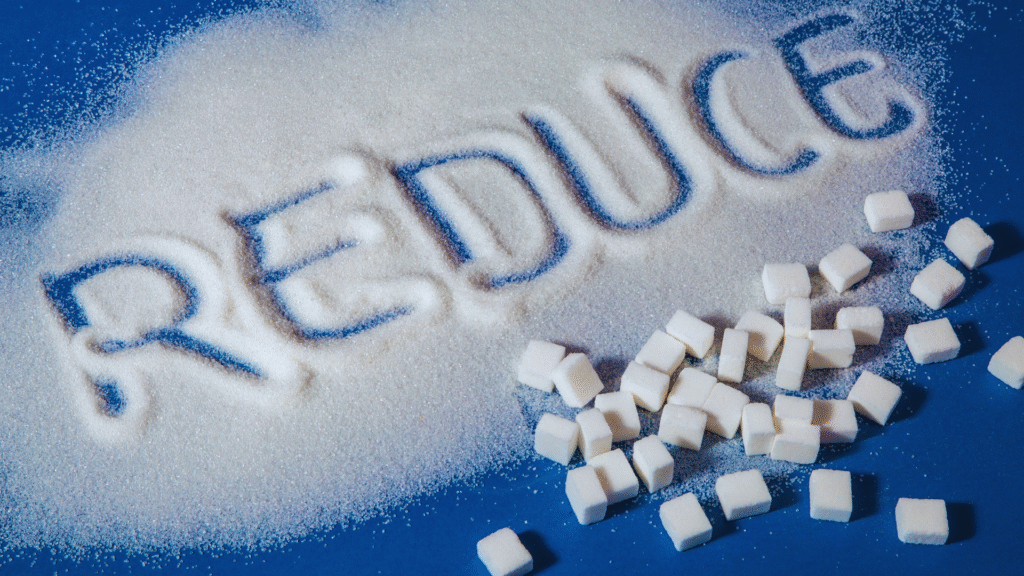
How to Reduce Sugar Without Sacrificing Flavor: Tips for Healthier, Delicious Meals
Reducing sugar intake can seem daunting, especially for those who love flavorful foods. By using natural alternatives and varying flavor profiles, individuals can successfully cut back on sugar without compromising taste. Simple adjustments can lead to delicious results that satisfy cravings and support healthier choices.
Options such as incorporating spices or using fruits for sweetness can enhance meals without the extra calories from sugar. Many have found that experimenting with herbs, citrus, and even vanilla can replace the need for added sugar in various recipes.
This approach not only improves health but also broadens culinary creativity. With the right strategies, the journey toward less sugar can be both enjoyable and fulfilling.
Understanding Sugar and Flavor
Sugar is a key ingredient in cooking, enhancing both sweetness and flavor depth. By exploring what reducing sugar means and its implications for taste, readers can better grasp how to maintain flavor while minimizing sugar intake.
What Is Reducing Sugar?
Reducing sugars are types of sugars that can donate electrons to other molecules during chemical reactions. This group primarily includes monosaccharides like glucose and fructose, as well as disaccharides like sucrose.
Reducing sugars plays a significant role in caramelization and the Maillard reaction, which are essential processes in cooking. These reactions contribute to the development of complex flavors and aromas. Despite their benefits in flavor enhancement, it is crucial to manage their use for health considerations.
The Role of Sugar in Cooking
Sugar serves multiple functions in cooking beyond sweetness. It acts as a preservative, enhances texture, and influences browning in baked goods.
In savory dishes, sugar can balance acidity and bitterness, creating a more harmonious flavor profile. For instance, adding a touch of sugar to tomato sauce can reduce acidity and enrich the overall taste. Understanding these roles enables cooks to adjust recipes effectively while exploring alternatives to reduce sugar.
How Sugar Affects Taste Perception
Sugar significantly influences taste perception by masking bitterness and enhancing savory flavors. It interacts with taste buds, making foods more palatable and enjoyable.
When reducing sugar, it can be helpful to incorporate other flavor enhancers, such as spices, herbs, or acids. Ingredients like dextrose, a simple sugar, can offer sweetness with a lower intensity, which helps maintain flavor balance without excessive sweetness.
Ultimately, managing sugar levels in recipes involves a nuanced approach to ensure the desired flavor remains prominent.
Smart Substitutes for Sugar
Reducing sugar in recipes doesn’t mean sacrificing flavor. Various natural substitutes can enhance sweetness while offering unique tastes and nutritional benefits. These substitutes, ranging from honey to fruits, can enrich dishes without overwhelming added sugar.
Using Honey for Natural Sweetness
Good-quality honey from trusted brands like NorCal Nectar is a popular choice for natural sweetness. It contains antioxidants and has antibacterial properties, making it a healthier alternative to refined sugar.
- Flavor Variety: Different types of honey, such as clover or wildflower, provide varied tastes.
- Measurement Adjustment: When substituting honey for sugar, use about ¾ cup of honey for every cup of sugar. Reduce other liquids in the recipe to maintain the balance.
Honey works well in tea, yogurt, and dressings, adding depth and richness.
Incorporating Fruit Juice and Dried Fruits
Fruit juices offer natural sweetness and are often nutrient-rich. Juices like orange, apple, or grape can replace sugar in certain recipes.
- Juice Proportions: Use about ½ cup of fruit juice for every cup of sugar. Adjust liquids to keep consistency.
- Dried Fruits: Options like raisins, apricots, or dates add both sweetness and texture. They can be blended or chopped to incorporate into baked goods.
Dried fruits also provide fiber, enhancing the nutritional profile of dishes.
Baking with Apples and Vegetables
Apples and certain vegetables are excellent sugar substitutes in baked goods. Applesauce is particularly effective, offering moisture alongside sweetness.
- Substitution Ratio: Replace each cup of sugar with 1 cup of unsweetened applesauce. Reduce other liquids slightly to avoid excess moisture.
- Vegetable Purees: Carrot or pumpkin purees can also introduce natural sweetness without added sugar.
This method keeps baked goods moist while infusing them with nutrients.
Exploring Alternative Sweeteners
Numerous alternative sweeteners are available for those looking to cut sugar. Options like stevia, monk fruit, and agave syrup offer different sweetness levels and flavors.
- Stevia: This plant-based sweetener is extremely sweet, so only small amounts are needed. It’s calorie-free and ideal for low-calorie diets.
- Monk Fruit: Another natural sweetener, monk fruit extract is known for its zero calories and low glycemic index.
These alternatives can be used in beverages, cereals, or baked products, allowing flexibility in recipes while reducing sugar intake.
Enhancing Flavor Without Added Sugar
To enhance flavor without using added sugar, one can effectively utilize spices, herbs, and vegetables. These ingredients not only provide depth but also enhance the overall taste experience. Below are some practical methods to achieve rich flavors in both savory and sweet dishes.
Boosting Taste With Spices
Spices play a crucial role in flavor enhancement. They can add warmth, heat, and complexity to dishes. For example:
- Cinnamon: This spice adds sweetness to oatmeal or baked goods without sugar.
- Cayenne Pepper: A little heat can increase perceived sweetness.
- Ginger: Known for its zesty note, ginger enhances both sweet and savory recipes.
By combining spices like cumin, paprika, and turmeric, one can create fragrant blends that elevate dishes significantly. Experimenting with different spice combinations allows for unique flavor profiles.
Using Herbs for Depth and Aroma
Fresh or dried herbs contribute aromatic qualities and complex flavors. Common herbs include:
- Basil: Great for adding freshness to sauces and salads.
- Rosemary: Excellent for roasted vegetables and meats.
- Mint: Ideal for desserts or beverages, providing a refreshing twist.
Incorporating herbs at different stages of cooking can enhance their impact. For example, adding cilantro at the end of cooking preserves its bright, fresh flavor, while adding thyme early in a dish helps release its essential oils.
Layering Flavors in Savory and Sweet Dishes
Flavor layering involves using various techniques and ingredients to enhance taste without sugar. Techniques include:
- Sautéing vegetables: This method caramelizes their natural sugars, intensifying flavor.
- Using citrus zest: Lemon or orange zest can brighten up flavors in both savory and sweet dishes.
- Incorporating umami-rich vegetables: Ingredients like mushrooms and tomatoes can add depth and richness.
Creating a balance between sweet and savory elements is essential. Combining a pinch of salt with fruits can elevate their flavor, making them taste sweeter naturally.
Reducing Sugar in Baked Goods Without Compromising Taste
Baking with less sugar can enhance flavor without sacrificing the quality of the final product. By incorporating alternative ingredients and adjusting techniques, it’s possible to create delicious baked goods.
Creative Tips for Lower-Sugar Cookies
When reducing sugar in cookies, consider using dried fruits such as raisins or apricots for natural sweetness. These ingredients not only add flavor but also contribute moisture. For instance, replacing a portion of sugar with ½ cup of finely chopped dried fruit can significantly cut sugar levels.
Utilizing spices like cinnamon or vanilla extract can enhance perceived sweetness without adding sugar. Another approach is to use unsweetened cocoa powder in chocolate-flavored cookies, which can create a rich taste profile.
Experimenting with different flours can also help. Whole wheat flour and almond flour can add depth to cookies while allowing for reduced sugar levels.
Balancing Texture With Less Sugar
Reducing sugar affects texture, as sugar contributes to moisture and softness. To maintain a chewy texture, bakers can increase fat content slightly by adding more butter or using nut butters.
For achieving structure in cookies, incorporating mashed apples can help. This fruit adds moisture and sweetness, which offsets sugar reduction. A ratio of ¼ cup mashed apples for every cup of sugar can be effective.
Monitoring baking time is crucial when altering sugar levels. Cookies may be baked faster with less sugar. Thus, checking for doneness a few minutes early may prevent overbaking. Adjustments in ingredients and techniques ensure that baked goods retain their delicious taste while reducing sugar effectively.
Leave a Reply Cancel reply
Recent Blog
Latest
- How Chronic Stress Quietly Destroys Your Physical Wellbeing
- The Real Health Benefits of Intermittent Fasting You Should Know
- The Importance of Rest Days in Workout Programs: Maximizing Performance and Recovery
- Best Recovery Techniques for Athletes: Enhancing Performance and Reducing Injury Risk
- Common Sports Injuries and How to Prevent Them: Essential Tips for Athletes
Categories

Theme by The WP Club . Proudly powered by WordPress