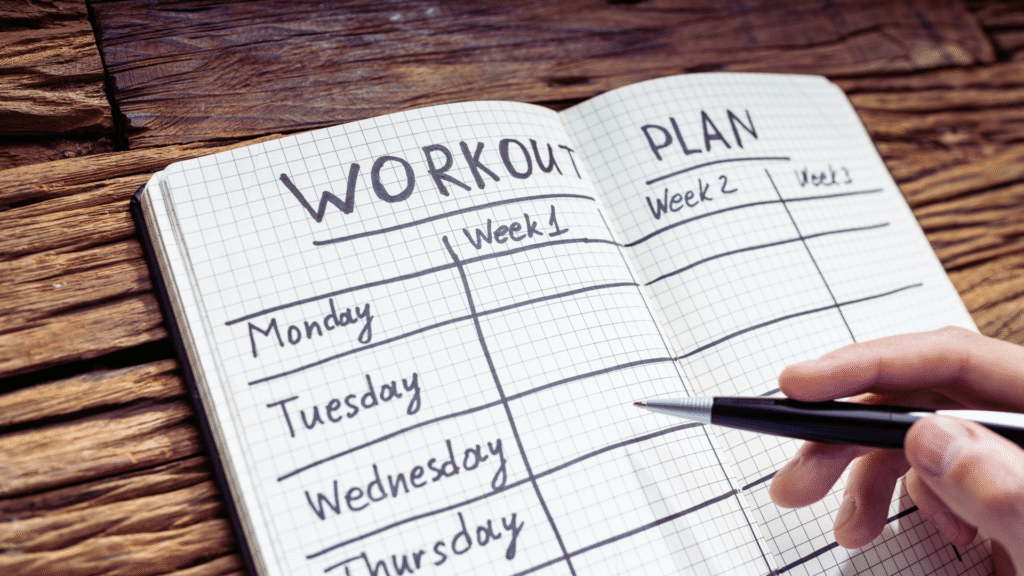
How to Create a Custom Workout Plan at Home: A Step-by-Step Guide
Creating a custom workout plan at home can empower anyone to achieve their fitness goals without the need for a gym membership. To design an effective workout plan, one must consider personal fitness levels, available equipment, and specific goals such as strength building, weight loss, or endurance training. Tailoring a routine ensures it remains engaging and suited to individual needs.
The process involves assessing current fitness levels and determining realistic short- and long-term goals. It is essential to incorporate a balanced mix of cardio, strength training, and flexibility exercises, which provides comprehensive benefits. With available resources like online workout tutorials and fitness apps, crafting a personalized plan has never been more accessible.
By following a structured approach to planning workouts, individuals can maintain motivation and track progress over time. Adapting the routine as fitness levels change is crucial for continued success. This method not only fosters physical improvement but also promotes a sustainable, healthy lifestyle.
Defining Your Fitness Goals and Assessing Needs
Establishing clear fitness goals and evaluating personal needs are essential steps in creating an effective workout plan. By understanding specific objectives and current physical conditions, an individual can tailor a program that aligns with their lifestyle and desired outcomes.
Identifying Your Training Objectives
The first step involves defining precise fitness goals. These objectives may include weight loss, muscle gain, improved endurance, or enhanced flexibility.
Creating a list of goals helps clarify priorities. It can be beneficial to use the SMART criteria: goals should be Specific, Measurable, Achievable, Relevant, and Time-bound.
For instance, instead of saying “I want to lose weight,” one could state, “I want to lose 10 pounds in three months by exercising five times a week.” This clarity provides direction for selecting appropriate exercises.
Evaluating Current Body Composition and Stamina
Assessing body composition involves measuring fat and muscle percentages. Tools like body fat calipers or smart scales can provide insights into current fitness levels.
Stamina assessments can be conducted through specific endurance exercises, such as a timed mile run, brisk walking test, or repetitive cycling session. Tracking these metrics helps determine clear starting points, monitor cardiovascular progress, and reveal limitations that may stem from preexisting health conditions.
In such situations, consulting qualified healthcare or wellness professionals can be essential, and guidance from a weight loss pharmacy may help individuals explore medically appropriate solutions that safely complement their exercise and nutrition plan.
Setting a baseline aids in monitoring progress. Regular assessments allow for adjustments in the workout plan as needed.
Understanding Your Lifestyle and Activity Level
An individual’s daily routine significantly impacts fitness training. Factors like work schedules, family commitments, and existing activity levels must be considered.
Identifying available time for workouts helps in designing a feasible plan. For example, someone with a busy schedule might prefer shorter, high-intensity workouts.
Finding a balance between work and exercise is a common challenge for many adults. People often search for ways to stay healthy as they get older. Resources like Health Fit Future often have information on how medical research and fitness trends help people stay strong.
Physical comfort also plays a major role in how easily people can stay active. For some women, the physical strain of heavy breasts makes even basic aerobic exercises painful and difficult to perform. In these cases, medical procedures like Breast Reduction Surgery in Houston can relieve chronic back and shoulder pain. Removing this physical barrier often makes it much easier to participate in regular fitness routines and maintain a healthy lifestyle over the long term.
This knowledge makes it easier to plan a routine that fits a busy life. Learning about new wellness ideas is a good way to stay motivated over time.
Additionally, factoring in current activity levels provides a realistic view of baseline fitness. Someone who regularly walks may adapt to higher-intensity workouts faster than a sedentary individual.
Recognizing these elements creates a sustainable fitness regimen tailored to unique needs.
Designing a Custom Workout Plan at Home
Creating a tailored workout plan at home allows individuals to focus on personal fitness goals. The process involves selecting appropriate exercise programs, balancing various muscle groups, and integrating both cardiovascular and strength workouts.
Selecting the Right Exercise Program
Choosing the right exercise program is crucial for a successful custom workout. Individuals should assess their fitness level, goals, and preferences. Options may include strength training, yoga, pilates, or high-intensity interval training (HIIT).
Consider these factors:
- Fitness Level: Beginners may start with basic bodyweight exercises, while advanced individuals can focus on complex movements.
- Goals: Weight loss, muscle gain, or overall fitness will shape the program.
- Resources: Identify available equipment (dumbbells, resistance bands) or opt for bodyweight training.
This personalized approach enhances motivation and compliance with the workout plan.
Balancing Muscle Groups and Activities
A well-rounded workout plan should address all major muscle groups to prevent imbalances and promote functional fitness. Individuals should aim to include exercises targeting:
- Upper Body: Push-ups, rows, and shoulder presses strengthen the chest, back, and arms.
- Lower Body: Squats, lunges, and deadlifts work the legs and glutes.
- Core: Planks and leg raises target the abdominal muscles.
It is vital to schedule different muscle group workouts across the week. Alternating intense sessions with rest days aids recovery and reduces the risk of injury.
Incorporating Cardiovascular and Strength Workouts
Integrating cardiovascular and strength training is essential for overall physical health.
- Cardiovascular Exercises: Options include jogging, cycling, or jumping rope, which improve endurance and heart health. Aim for at least 150 minutes of moderate activity per week.
- Strength Training: Incorporate exercises at least twice weekly. Focus on compound movements that engage multiple muscle groups, maximizing effectiveness.
By combining these elements, individuals create a dynamic workout plan that enhances cardiovascular health while building strength. Balancing both types of exercise contributes to a comprehensive fitness routine.
Choosing Specific Exercises and Tracking Progress
Selecting the right exercises and effectively monitoring progress are crucial steps in formulating a successful workout plan. By understanding individual fitness goals and utilizing tools for tracking, one can ensure continuous improvement.
Developing a Structured Fitness Program
To create a workout plan, one must first identify specific fitness goals such as weight loss, muscle gain, or increased endurance. Based on these goals, it is essential to select a variety of exercises that target different muscle groups.
For example, a balanced program may include:
- Strength Training: Bodyweight exercises like push-ups, squats, and lunges.
- Cardiovascular Workouts: Activities such as jogging, cycling, or skipping rope.
- Flexibility and Mobility: Incorporating yoga or dynamic stretching routines.
It is recommended to structure workouts around frequency, intensity, and volume. Organizations like the American College of Sports Medicine suggest aiming for at least 150 minutes of moderate aerobic activity weekly alongside strength training twice a week.
Utilizing Digital Tools for Monitoring
Tracking progress can significantly enhance motivation and accountability. Digital tools offer an effective way to measure performance and set new goals. Applications such as Garmin Connect can help log workouts, track distances, and monitor heart rates.
Additionally, using fitness trackers provides insights into daily activity levels. Features to consider include:
- Workout Logs: Document individual exercises and their respective repetitions or durations.
- Progress Charts: Visual representation of improvements over time.
- Goal Setting: Customize milestones and receive reminders.
By consistently tracking performance, individuals can make informed adjustments to their fitness routines, ensuring continuous progression and achievement of personal goals.
Maximizing Results and Addressing Additional Considerations
Individuals can enhance their workout plans by adapting exercises to promote cognitive and bone health while considering optional activities. By integrating these elements, one can achieve a more holistic fitness experience.
Adapting for Cognitive and Bone Health
Engaging in exercises that support cognitive health is essential. Research indicates that activities such as aerobic workouts can improve memory and mental clarity. Incorporating a mix of strength training and aerobic exercises assists in maintaining bone density, crucial for preventing osteoporosis.
Key exercises for cognitive and bone health may include:
- Strength Training: Focus on major muscle groups with bodyweight exercises like squats and push-ups.
- Balance Exercises: Yoga or tai chi can enhance stability, reducing the risk of falls.
- Aerobic Activities: Brisk walking or dancing can stimulate brain function.
Regularly varying routines can also keep workouts engaging and beneficial.
Exploring Optional Activities like Swimming
Swimming is an excellent optional activity that promotes cardiovascular fitness and builds muscle strength without putting stress on joints. It is suitable for individuals of all ages and fitness levels.
Benefits of swimming include:
- Low-Impact Exercise: Gentle on the joints, making it ideal for those with injuries or joint concerns.
- Full-Body Workout: Engages multiple muscle groups, which aids in overall strength and endurance.
- Mental Well-Being: The rhythmic nature of swimming often enhances mood and reduces stress.
Including swimming in a workout routine can provide an enjoyable variation that keeps individuals motivated and physically active.
Leave a Reply Cancel reply
Recent Blog
Latest
- How Chronic Stress Quietly Destroys Your Physical Wellbeing
- The Real Health Benefits of Intermittent Fasting You Should Know
- The Importance of Rest Days in Workout Programs: Maximizing Performance and Recovery
- Best Recovery Techniques for Athletes: Enhancing Performance and Reducing Injury Risk
- Common Sports Injuries and How to Prevent Them: Essential Tips for Athletes
Categories
Theme by The WP Club . Proudly powered by WordPress