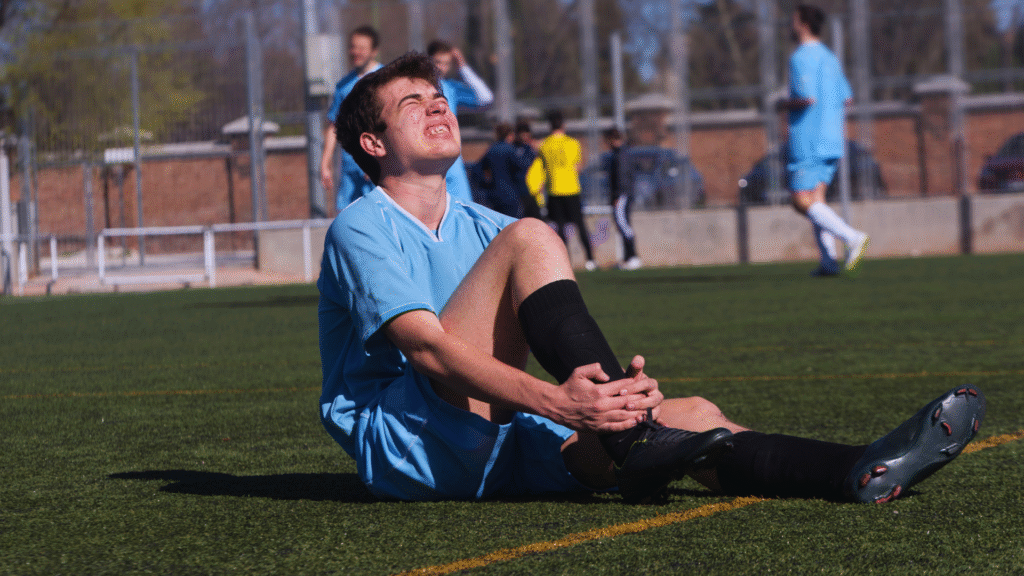
Common Sports Injuries and How to Prevent Them: Essential Tips for Athletes
Athletes frequently face the risk of injuries that can disrupt their training and performance. Understanding common sports injuries and implementing effective prevention strategies can significantly reduce the risk of these setbacks. From sprains and strains to fractures and tendonitis, recognizing these injuries and their causes is essential for maintaining an active lifestyle.
Incorporating proper warm-up routines, strength training, and appropriate gear are crucial steps athletes should take. Regular assessment of technique and rest periods also play vital roles in injury prevention. With the right knowledge and practice, athletes can minimize injuries and enhance their performance on the field or court.
Most Common Sports Injuries
Athletes frequently encounter a variety of injuries, which can be classified into several categories. Understanding these injuries is essential for implementing effective prevention strategies.
Sprains and Strains
Sprains occur when ligaments, which connect bones at joints, are stretched or torn. Common causes include twisting movements or falls. Symptoms can include pain, swelling, and decreased mobility. The ankle is particularly susceptible to sprains.
Strains involve the stretching or tearing of muscles or tendons. They often result from overexertion or improper lifting techniques. Symptoms may include pain, muscle spasms, and limited flexibility. The lower back and hamstrings are common sites for strains.
Fractures and Dislocations
Fractures are breaks in bones often caused by acute injuries, such as falls or collisions. Symptoms typically involve severe pain, swelling, and an inability to use the affected limb. Treatment may require immobilization or surgical intervention.
Dislocations occur when bones in a joint are forced out of their normal position. Symptoms include visible deformity, intense pain, and swelling. Immediate medical attention is vital to realign the joint properly, usually requiring reduction.
Concussions and Head Injuries
Concussions are traumatic brain injuries caused by a blow to the head or body that shakes the brain. Symptoms may include confusion, headache, nausea, and balance issues. Immediate assessment and rest are crucial to prevent further complications.
Other head injuries can also occur in sports, from minor bruises to severe trauma. They share similar symptoms with concussions but may involve external lacerations or skull fractures. Proper protective gear is essential to reduce risks.
Overuse Injuries
Overuse injuries result from repetitive strain on muscles, joints, or connective tissues, often seen in long-term training or competition. Common types include tendonitis and stress fractures. Symptoms include persistent pain, swelling, and limited range of motion.
These injuries usually develop gradually and can become chronic if not addressed. Effective prevention includes proper training techniques, strength conditioning, and allowing adequate recovery time. Regular assessments can help identify early signs of overuse.
Detailed Injuries by Body Area
Understanding specific injuries related to different body areas can help in identifying risks and implementing preventive measures. Each injury type has characteristic symptoms and recommended treatments.
Knee Injuries and ACL Tears
Knee injuries are common, particularly in sports that involve sudden direction changes. The anterior cruciate ligament (ACL) is vital for knee stability. An ACL tear often results from quick stops or pivoting. Symptoms include swelling, pain, and instability in the knee.
To prevent ACL injuries, strength training for the quadriceps and hamstrings is essential. Proper warm-ups and agility drills also reduce risk. Athletes should focus on balance exercises and ensure correct landing techniques during jumps.
Shoulder and Wrist Injuries
Shoulder injuries can arise from both acute trauma and repetitive use. Common shoulder injuries include rotator cuff tears and shoulder impingement. Symptoms include pain, weakness, and restricted range of motion.
Wrist injuries, such as wrist sprains and lateral epicondylitis (also known as tennis elbow), are prevalent in sports involving gripping or overhead motions. Pain and swelling around the wrist are common indicators.
Preventive strategies include shoulder strengthening exercises, wrist stabilizing techniques, and improving techniques for throwing or swinging motions. Stretching and proper equipment can also be beneficial.
Back Pain and Back Injuries
Back pain can stem from various causes, including poor posture and muscle strain. Muscle strains often occur during lifting or sudden movements. Back injuries can lead to significant discomfort and reduced mobility.
Strengthening core muscles is fundamental for preventing back issues. Regular stretching exercises can improve flexibility and reduce tension. Using ergonomic techniques in daily activities is crucial in maintaining back health.
Individuals should also engage in safe practices when lifting heavy objects, such as bending at the knees and keeping the load close to the body.
Shin Splints and Tendonitis
Shin splints, or medial tibial stress syndrome, manifest as pain along the shin bone. This condition often occurs due to overuse, especially in runners or dancers. Symptoms typically include tenderness and swelling.
Tendonitis can affect the Achilles tendon and often occurs due to repetitive stress on the tendon. Both conditions can be prevented by gradually increasing activity intensity, wearing appropriate footwear, and incorporating cross-training.
Implementing proper warm-up routines and cool-down stretches can play a significant role in reducing these injuries. Rest and ice may be necessary for recovery when symptoms arise.
Effective Injury Prevention Strategies
Injury prevention requires a comprehensive approach involving proper warm-up routines, strength training, the use of protective gear, and adequate hydration. These strategies play a crucial role in reducing the risk of injuries in sports.
Proper Warm-Up and Cool-Down
Effective warm-up routines prepare the body for physical activity by increasing blood flow to muscles and enhancing flexibility. A good warm-up lasts at least 10-15 minutes and includes dynamic stretches, such as leg swings or arm circles. These movements help to activate relevant muscle groups, increasing overall performance.
Cooling down is equally important. It allows the heart rate to gradually return to normal and aids in recovery. Static stretching should be incorporated during cool-down, focusing on major muscle groups to maintain flexibility and reduce post-exercise soreness.
Strength Training and Technique
Incorporating strength training into a regular fitness regimen is vital. This improves muscle balance and increases resilience against injuries. Targeted exercises, such as squats and lunges, contribute to a stronger core and lower body muscles.
Proper technique during sports activities cannot be undervalued. Athletes should receive coaching to ensure they perform movements safely. This reduces undue stress on joints and muscles, significantly lowering injury risks.
Protective Gear and Safety Equipment
Wearing appropriate protective gear is critical in injury prevention. For contact sports, helmets, mouthguards, and pads absorb impact and protect vulnerable body parts.
Specific sports have unique safety equipment requirements. For example, shin guards are essential in soccer, while knee and elbow pads benefit skateboarders. Ensuring proper fit and maintenance of this gear enhances safety and effectiveness, significantly reducing the chances of injury.
Hydration and Recovery
Maintaining proper hydration levels is a basic yet vital aspect of sports performance. Dehydration can lead to muscle cramps and heat-related illnesses. Athletes should consume water before, during, and after activity to maintain fluid balance.
In addition to hydration, recovery plays a significant role in injury prevention. Adequate rest, sleep, and nutrition allow the body to repair itself after strenuous activity. Incorporating recovery strategies, such as foam rolling or massage, aids in muscle recovery and prepares the body for future challenges.
Treatment and Rehabilitation
Effective treatment and rehabilitation are crucial for recovery from sports injuries. They encompass various methods, particularly physical therapy and a structured rehabilitation plan tailored to individual needs.
Physical Therapy and Sports Medicine
Physical therapy plays a vital role in recovery. A trained physical therapist assesses the injury and creates a personalized program aimed at restoring strength, flexibility, and range of motion.
Key Components of Physical Therapy:
- Assessment: Initial evaluation of the injury’s extent.
- Exercise Plans: Targeted exercises to improve strength and flexibility.
- Manual Therapy: Hands-on techniques to relieve pain and restore movement.
- Modalities: Use of ice, heat, ultrasound, or electrical stimulation for pain management.
Involving sports medicine specialists ensures comprehensive care, as they have expertise in preventing further injury during the recovery process.
Rehabilitation After Injury
Rehabilitation focuses on gradual recovery and return to sport. After an initial healing phase, the emphasis shifts to rebuilding strength and endurance.
Rehabilitation Steps:
- Rest and Recovery: Allowing time for the body to heal properly.
- Gradual Return to Activity: Slowly increasing physical activity intensity.
- Strength Training: Building muscle around the injured area for support.
- Sport-Specific Drills: Practicing movements related to the athlete’s sport to enhance confidence.
Effective rehab not only aids recovery but also emphasizes injury prevention strategies, equipping athletes with the knowledge to avoid re-injury in the future.
Leave a Reply Cancel reply
Recent Blog
Latest
- How Chronic Stress Quietly Destroys Your Physical Wellbeing
- The Real Health Benefits of Intermittent Fasting You Should Know
- The Importance of Rest Days in Workout Programs: Maximizing Performance and Recovery
- Best Recovery Techniques for Athletes: Enhancing Performance and Reducing Injury Risk
- Common Sports Injuries and How to Prevent Them: Essential Tips for Athletes
Categories

Theme by The WP Club . Proudly powered by WordPress