Best Recovery Techniques for Athletes: Enhancing Performance and Reducing Injury Risk
Athletes understand that peak performance requires not only rigorous training but also effective recovery strategies. Utilizing the best recovery techniques can significantly enhance athletic performance and prevent injuries. From proper hydration to adequate sleep, athletes can implement various methods to optimize their recovery process.
Incorporating practices such as active recovery, foam rolling, and nutrition tailored to individual needs can make a substantial difference. Each athlete’s body responds differently, so it’s essential to explore these techniques and identify what works best for them.
With the right recovery approach, athletes can improve their endurance and reduce soreness, allowing them to train harder and more consistently. Understanding these recovery techniques is vital for anyone serious about their athletic journey.
Essential Recovery Techniques for Athletes
Athletes must use effective recovery techniques to enhance performance and reduce fatigue. Key strategies include engaging in active recovery, ensuring adequate passive rest and sleep, and maintaining optimal hydration and nutrition. These elements are crucial for muscle recovery and overall athletic performance.
Active Recovery
Active recovery involves low-intensity exercises that promote blood flow to muscles, aiding in recovery. Activities such as walking, cycling, or light swimming can help alleviate muscle soreness and stiffness. Stretching and yoga also enhance flexibility and mobility.
Incorporating active recovery sessions into a training regimen can significantly speed up muscle recovery. These sessions should last 20-30 minutes and occur within 24 hours after intense workouts. Athletes should aim to keep the heart rate at about 60-70% of their maximum to stimulate recovery without adding strain.
Passive Rest and Sleep
Passive rest and quality sleep are vital for muscle repair and cognitive function. Sleep deprivation may impede recovery, reduce focus, and increase the risk of injury. Athletes should aim for 7-9 hours of quality sleep per night.
Establishing good sleep hygiene practices can enhance sleep quality. This includes maintaining a consistent sleep schedule, creating a comfortable sleep environment, and avoiding screens before bedtime. Prioritizing relaxation techniques, such as mindfulness or meditation, can also help improve sleep outcomes.
Hydration and Nutrition
Staying properly hydrated is essential for optimal performance and recovery. Dehydration can lead to decreased muscle function and slower recovery. Athletes should aim to drink water throughout the day and pay attention to signs of dehydration.
Nutrition also plays a critical role in recovery. Consuming a balanced diet rich in proteins, carbohydrates, and healthy fats helps facilitate muscle repair and energy replenishment. A post-workout meal or snack should ideally include proteins for muscle recovery and carbohydrates to replenish glycogen stores.
Physical Recovery Modalities
A range of physical recovery modalities can enhance an athlete’s performance and aid in the recovery process. These techniques focus on reducing muscle soreness, improving flexibility, and managing inflammation, helping athletes recover effectively.
Massage and Self-Myofascial Release
Massage therapy is a widely recognized recovery tool in sports medicine. It promotes blood circulation, reduces muscle tension, and alleviates soreness. Techniques can include deep tissue massage, trigger point therapy, and Swedish massage, each targeting specific muscle groups.
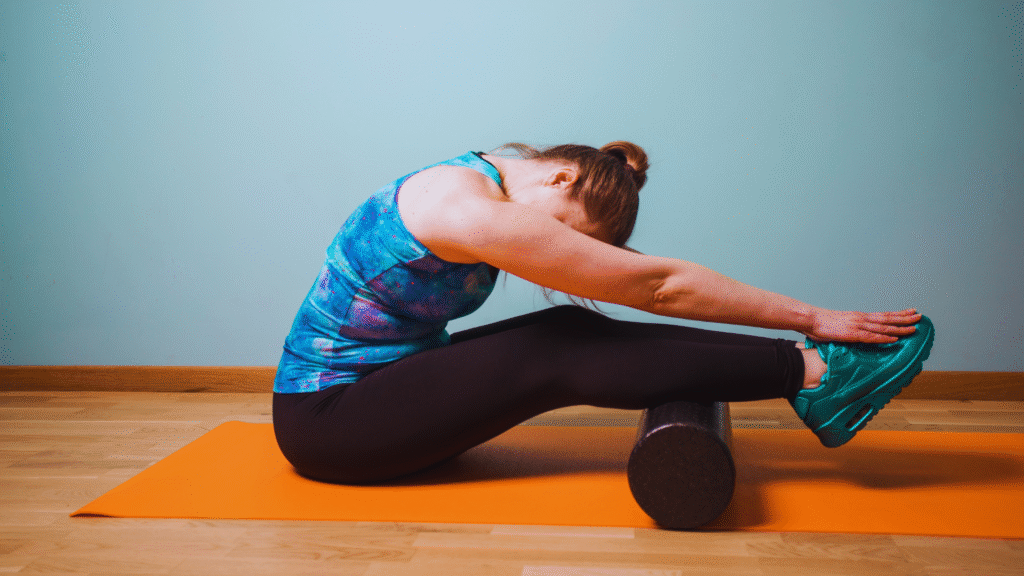
Self-myofascial release (SMR) utilizes tools like foam rollers to release muscle tightness and improve flexibility. Foam rolling can increase joint range of motion and decrease muscle soreness after intense training sessions. For effective SMR, athletes should apply pressure systematically to dense areas of muscle for optimal benefits.
Stretching and Flexibility Training
Stretching is crucial for enhancing flexibility and maintaining joint range of motion. Athletes often incorporate both static stretches and dynamic stretches into their routines. Static stretching involves holding a stretch for a period, while dynamic stretches include controlled movements that stretch muscles through their range.
Flexibility training can significantly reduce the risk of injury. Athletes should focus on major muscle groups, promoting better mechanics and efficiency during performance. Consistent stretching strategies can also aid in muscle recovery by promoting blood flow and reducing muscle stiffness.
Compression and Cryotherapy
Compression garments, such as sleeves and shorts, provide targeted pressure to reduce swelling and improve recovery speed. They help minimize muscle fatigue and soreness after workouts. Athletes often wear these garments during and after competitions for optimal results.
Cryotherapy encompasses techniques like ice baths and cold showers to manage inflammation and pain. Exposure to cold can constrict blood vessels, reducing metabolic activity and inflammation. Athletes often use these methods post-training to accelerate recovery from intense physical exertion.
Water-Based Therapies
Water-based therapies encompass techniques such as immersion and hydrotherapy. Immersive therapies involve full-body submersion in water, which can alleviate muscle soreness and enhance recovery through buoyancy. This reduces stress on joints while promoting relaxation.
Hydrotherapy can include directed water jets or specific temperature-controlled environments to facilitate muscle recovery. The combination of warm and cold water can soothe the body and promote blood circulation, enhancing the overall recovery experience for athletes.
Optimizing Recovery for Athletic Performance
Effective recovery strategies are essential to enhance athletic performance and prevent injuries. Focusing on recovery processes allows athletes to maximize their muscle adaptation, reduce fatigue, and maintain optimal training levels.
Preventing Overtraining and Injuries
Overtraining occurs when athletes exceed their body’s ability to recover, leading to diminished performance and increased injury risk. To prevent overtraining, it is crucial to implement structured training plans that include rest days and monitor training intensity.
Incorporating techniques like active recovery and cross-training can help. Active recovery might involve low-intensity cardiovascular exercises, which promote blood circulation and alleviate muscle fatigue.
Athletes should also be aware of the signs of overtraining, such as persistent fatigue and mood changes. Listening to one’s body and adjusting training loads accordingly can prevent injuries like muscle strains and enhance overall performance.
Enhancing Muscle Adaptation and Performance
Muscle adaptation involves repair and growth processes triggered by training stimuli. For athletes, resistance training continues to play a key role in promoting muscle hypertrophy and improving performance.
Incorporating a well-rounded nutrition plan that focuses on adequate protein intake aids muscle recovery. Consuming protein post-workout can stimulate muscle protein synthesis and reduce muscle damage.
In addition, adequate sleep is vital for recovery. During sleep, the body releases growth hormone, which contributes to tissue repair and muscle growth. Therefore, prioritizing sleep is just as important as training itself to achieve peak performance.
Leave a Reply Cancel reply
Recent Blog
Latest
- How Chronic Stress Quietly Destroys Your Physical Wellbeing
- The Real Health Benefits of Intermittent Fasting You Should Know
- The Importance of Rest Days in Workout Programs: Maximizing Performance and Recovery
- Best Recovery Techniques for Athletes: Enhancing Performance and Reducing Injury Risk
- Common Sports Injuries and How to Prevent Them: Essential Tips for Athletes
Categories

Theme by The WP Club . Proudly powered by WordPress